
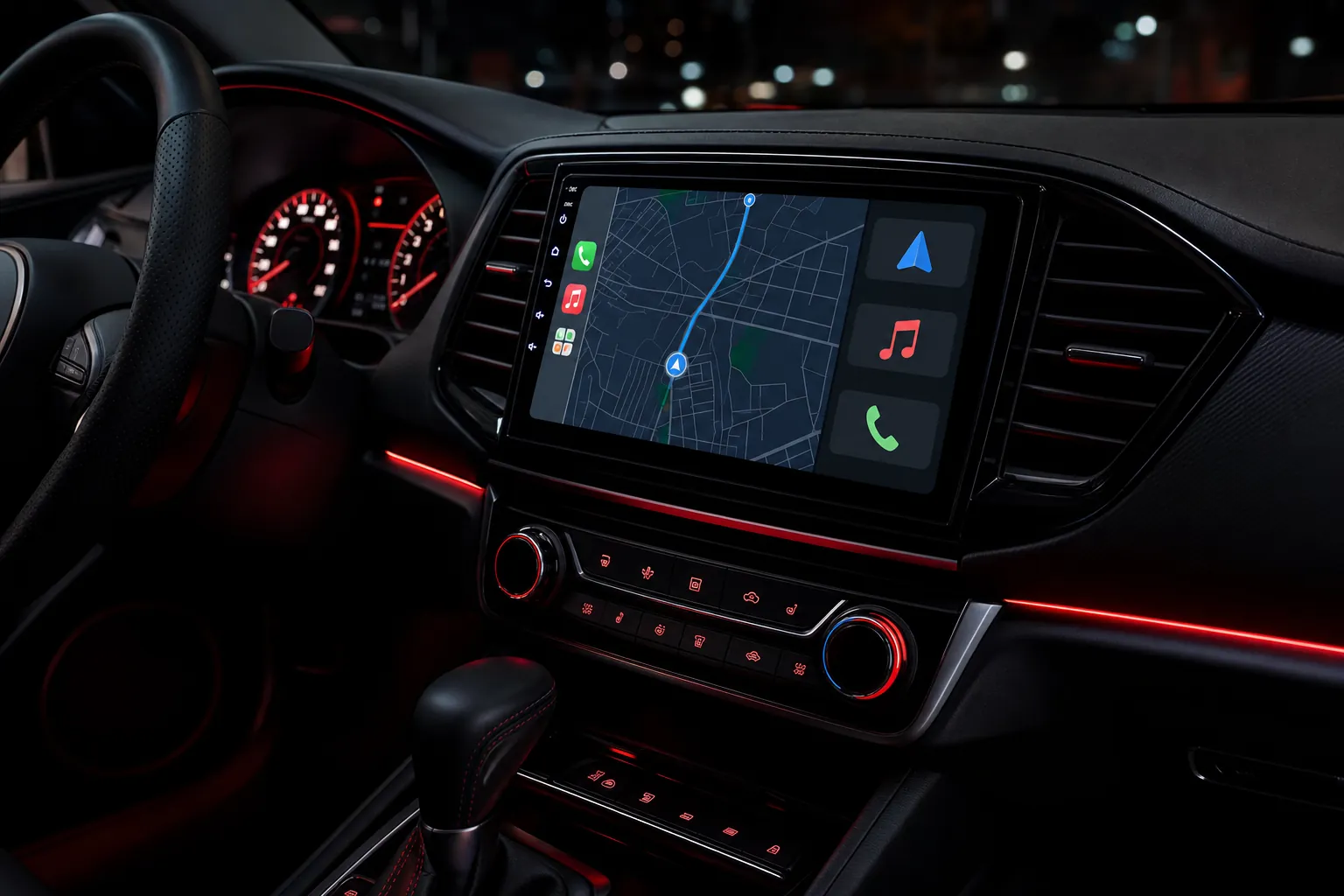
A line output converter, often shortened to LOC, is a small interface that helps an aftermarket amplifier work with a radio that does not provide RCA preamp outputs. That is why it comes up so often with factory stereos. The factory radio can stay in the dash, while the amplifier receives a signal it can use for upgraded speakers or a subwoofer.
It is easy to mistake an LOC for a universal answer. It is not. Some amplifiers already accept speaker-level inputs. Some vehicles use factory amplifiers or processed audio signals that need a more specific integration plan. The useful question is not simply “Do I need an LOC?” It is “What signal does this vehicle provide, and what does this amplifier need?”
1. What a line output converter actually does
A factory radio commonly sends an amplified signal to the vehicle’s speakers. An aftermarket amplifier commonly expects a lower-level input through RCA connections. A line output converter reduces the speaker-level signal to a line-level signal so those two parts can communicate.
As Crutchfield explains in its line output converter guide, this can be useful when a factory stereo has no RCA preamp outputs but an amplifier needs them. In the other direction, an LOC can sometimes help a replacement stereo work with a factory amplifier. The direction and equipment matter, which is why a generic wiring diagram is not enough.
The converter does not create extra audio detail, repair a damaged speaker or make a mismatched amplifier safe. It creates a compatible handoff in the signal path. The sound that follows still depends on the radio, factory processing, converter quality, amplifier setup, speakers, wiring and the vehicle itself.
2. When an LOC is commonly useful
The usual situation is simple: you want to keep the factory radio because it controls the screen, cameras, climate settings, steering-wheel buttons or other functions, but you also want to add an amplifier. If the amplifier only has RCA-style low-level inputs, an LOC may be the interface that bridges the factory speaker signal to those inputs.
It can be useful for a focused subwoofer addition, a separate amplifier for front speakers or a system where the existing radio must remain part of the vehicle. The correct converter needs enough channels for the plan. A two-channel unit may be appropriate for one stereo pair or a subwoofer signal. A four-channel plan may need more inputs and outputs. More channels are not automatically better, they simply need to match the system.
Some modern factory systems also adjust bass, equalization or level as volume changes. An ordinary converter may pass that behavior along rather than remove it. That is a reason to inspect the full system before buying a part based on a broad description.
3. When you may not need one
Many modern amplifiers have speaker-level inputs. In that case, the amplifier may be able to accept the factory speaker signal directly, so a separate LOC may not be necessary. It depends on the input design and the vehicle signal, not on a rule that every factory-radio upgrade needs a converter.
There are also factory systems that need vehicle-specific interfaces, especially when a factory amplifier, active noise control, audio chimes or advanced signal processing is involved. An LOC can be part of the answer, but it should not be selected until the installer confirms where the signal should be taken and what must remain working after the upgrade.
If you are planning a broader system, use the vehicle and the desired outcome to set the parts list. Our guide to upgrading car audio without wasting money starts with the daily frustration you want to solve, then helps put speakers, bass, receiver and installation in the right order.
4. Passive and active LOCs are not the same thing
A basic passive converter typically reduces the signal without a separate power connection. It can be appropriate for a straightforward, compatible system. An active converter uses power and can provide additional features, such as adjustable output level, signal sensing or a remote turn-on output for an amplifier.
Features only matter when they solve a real integration need. An amplifier needs a dependable way to turn on and off. The signal needs to stay within a usable range. The channel layout needs to preserve the music information you want the amplifier to receive. Choosing the device because it has the most switches can create more opportunities for a bad setting.
Metra’s current installation instructions for its universal LOC specify matching positive and negative input connections. Its guide notes that reversed polarity can hurt bass response and sound quality. That is a good reminder that correct connections matter just as much as the converter’s feature list.
5. Gain setting is where good hardware can go wrong
Neither the LOC level control nor an amplifier gain control is a second volume knob. They are used to match the strength of one stage of the signal path to the next. Turning either setting up because the system seems quiet can add noise or distortion before the dash volume looks high.
Start with a clean source and neutral tone settings. The system should be installed, protected and connected correctly before it is tuned. Then the signal level, amplifier gain, crossover settings and speaker output can be set as one system. If the sound turns harsh, compressed or unstable as it gets louder, do not keep chasing volume with a higher setting.
Our guide to clipping in car audio explains why leaving clean headroom is more useful than reaching for maximum output. If bass and door speakers need to share the work, the crossover settings guide is a useful next read.
6. Avoid noise and turn-on problems
Signal conversion is only one part of a reliable amplifier upgrade. The amplifier also needs protected power from the battery, a solid ground, a sensible remote-turn-on plan and clean routing for signal and power wiring. A converter with signal sensing can help in some systems, but the turn-on method still needs to be appropriate for the vehicle and the amplifier.
Noise is usually a clue, not a feature to tune around. A whine that changes with engine speed, a pop when the system turns on, or a hiss that remains with the music paused can point to a grounding, routing, gain or integration issue. Lowering the volume may make it less noticeable, but it does not identify the cause. A proper installation checks the signal path and the electrical path separately.
Start with the symptom. If the sound only changes with one source, the radio setting or phone connection may be involved. If it appears in every source and changes with engine speed, power, ground and signal routing deserve attention. If a channel cuts out or the amplifier enters protection, turn the system down and have the installation inspected instead of raising the converter or amplifier level. Our car audio troubleshooting guide explains how the pattern of a problem can narrow the next useful check.
That same approach protects factory features. Many vehicles carry more than music through the radio area, including alert tones, microphone functions, active noise control or audio changes tied to vehicle settings. Confirming what the system does before changing it is the cleanest way to keep an upgrade from creating a new daily annoyance.
7. Three checks before buying parts
First, identify the actual radio and factory audio system in the vehicle. The trim level and optional factory amplifier can change the integration approach. Second, identify the amplifier inputs and the number of channels that the upgrade requires. Third, decide which factory functions need to remain usable after the work is complete.
- Signal source: confirm the correct factory output point instead of tapping into a random speaker wire.
- Channel plan: match the LOC and amplifier channels to the speakers or subwoofer you are adding.
- Turn-on and protection: use a reliable turn-on strategy and protected, serviceable wiring.
- System tuning: set signal level, gain and crossover points as a group, not one control at a time in isolation.
Those checks also make it easier to give a shop the details needed for a useful estimate. Bring the vehicle year, make and model, the desired equipment or outcome, and any aftermarket components that are already installed.
It also helps to be clear about the goal. A driver who wants fuller low end may need a different plan from someone who wants clearer front speakers at highway volume. A system that keeps the factory radio, adds a compact amplifier and preserves cargo space has different priorities from a more extensive rebuild. A useful recommendation starts with those choices, then selects the signal interface and equipment to support them.
8. Keep the factory radio, without settling for factory sound
Keeping the factory screen does not have to mean giving up on a better system. An appropriate LOC or direct speaker-level integration can let the factory controls stay familiar while an amplifier and speakers do more of the work. The best path depends on what the vehicle provides and what the finished system needs to accomplish.
Elite Audio Hollywood can evaluate the factory audio path, recommend an integration plan that suits the vehicle, and install and tune the components as a complete system. That includes clean wiring, secure mounting and practical retention of the features you use every day. Explore car audio installation in Los Angeles or talk with the team about your vehicle when you are ready to plan an upgrade.
Frequently asked questions
What does a line output converter do in a car?
A line output converter changes a speaker-level signal from a factory radio into a lower-level signal that can connect to an aftermarket amplifier through RCA-style inputs.
Do I need a line output converter if my amplifier has speaker-level inputs?
Not always. Some amplifiers accept speaker-level inputs directly. The right choice depends on the exact amplifier, factory audio system, desired channels and how the signal will be integrated.
Can a line output converter cause poor sound?
A mismatched, incorrectly connected or poorly adjusted converter can contribute to noise, weak output or distortion. Correct signal source, polarity, gain setting and a clean installation matter as much as the converter itself.
Can I add an amplifier while keeping my factory radio?
Often, yes. A compatible integration plan can retain the factory radio while sending a usable signal to an aftermarket amplifier. The exact approach depends on the vehicle and equipment.
Related posts

How to Wire a Car Amplifier Safely
A practical overview of amplifier power, ground, signal and speaker wiring, plus the checks that help prevent noise and electrical problems.
Read article →
Car Audio Crossover Settings: Start Here
A practical way to set high-pass, low-pass and slope controls for clearer music and a better-balanced system.
Read article →
What Is Clipping in Car Audio?
How clipping starts in a car audio system, the signs worth noticing and the practical way to protect your speakers and amplifier.
Read article →